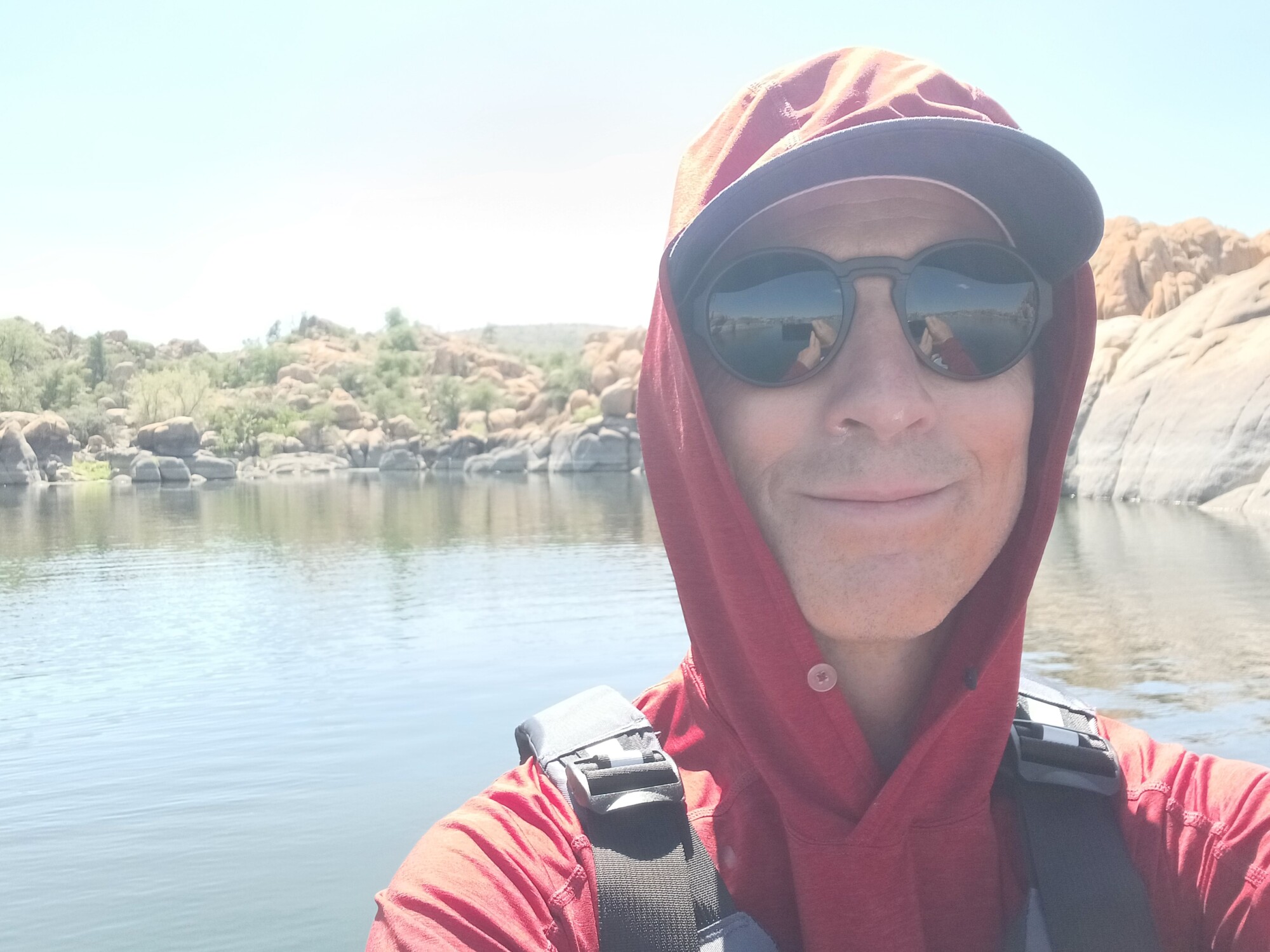
James Murren grew up exploring Pennsylvania by bike. For River Sports Magazine, he’s taken us sea kayaking off Loreto, Baja California Sur, and rafting Idaho’s Middle Fork of the Salmon River. Now, as our Field Editor-at-Large, he’ll bring us more stories about the people and places he encounters on the water.
We caught up with James about what he listens for when he arrives somewhere new, the places he still dreams of paddling, and why he almost always picks up a bag of potato chips when he travels.
RSM: From sea kayaking in Baja to exploring the ice walls of Cody, Wyoming, you’ve experienced some dramatically different landscapes. What draws you to these adventures, and how does exploring a destination by water differ from experiencing it on snow or ice?
JM: Growing up in PA, my bike gave me access to adventures. Later, after getting a driver’s license, driving to trailheads was an immediate “thing” I started doing. This is to say, I have always loved being outside. Interacting and experiencing nature in various ways, beginning with respect and reverence for it when I came to understand what that means, brings me happiness, despite the hardships and challenges that sometimes occur while in nature.
Water/snow/ice – maybe it flows, maybe it’s still, maybe it’s frozen, maybe it’s soft and powdery…but it’s all water in some form! I learned watershed management and protection while serving as a Peace Corps Volunteer in Honduras in the late 1990s. There, I grew to appreciate water systems. Snowpack = lakes, and it is drinking water for humans. Rain = replenishing rivers, food, biodiversity. These are quick examples. The idea is that when out on the land or water, we’re recreating in a watershed.
RSM: Your Loreto stories — go well beyond the paddling itself, weaving in wildlife, conservation, local culture, and the landscape. In Part 2, those threads come together. When you arrive somewhere new, what catches your attention first? How do you know when an experience is going to become a great story?
JM: As a reader, I’m not all that interested in listicles or a play-by-play of doing this or that. As a writer, I seek to tell the story of place and people. Sometimes, the land speaks. Other times, it might be a comment. The important thing is to listen. An experience becoming a story sometimes happens in the matter of seconds or minutes. It might even be kind of like an a-ha moment, almost like I feel it and intellectualize it at the same time. Then the challenge is writing it so that others feel it too.
And then there are the rare times when, as I’m writing, the story flows. It’s almost like I’m not writing it. It’s happening. After letting it sit for a day or two and revisiting it for editing, I’ll read it and I am drawn in as a reader and not the writer.
Sometimes I write something and it’s coming close to deadline and it’s not working out, many deletes have happened, revisions here and there, and I think, this isn’t what I thought it would be but it’s time to send it. Even those experiences have resulted in readers responding positively to a piece!
RSM: You’ve tackled some tough assignments over the years—from exploring Yosemite’s Dewey Point to the grueling task of sandshoeing on the beaches of San Diego. Someone has to do the hard work! Of all your adventures, which experience surprised you the most or turned out completely differently than expected?
JM: Well, I had rhabdomyolysis while on a trail during a bikepacking trip and thought I might not make it out! That was truly scary, as I could not physically move my body. On paper, the route seemed very doable, and it was. Except I got rhabdo. From that point on, I dialed back my training and some of my adventures, and took more steps to prepare for emergencies.
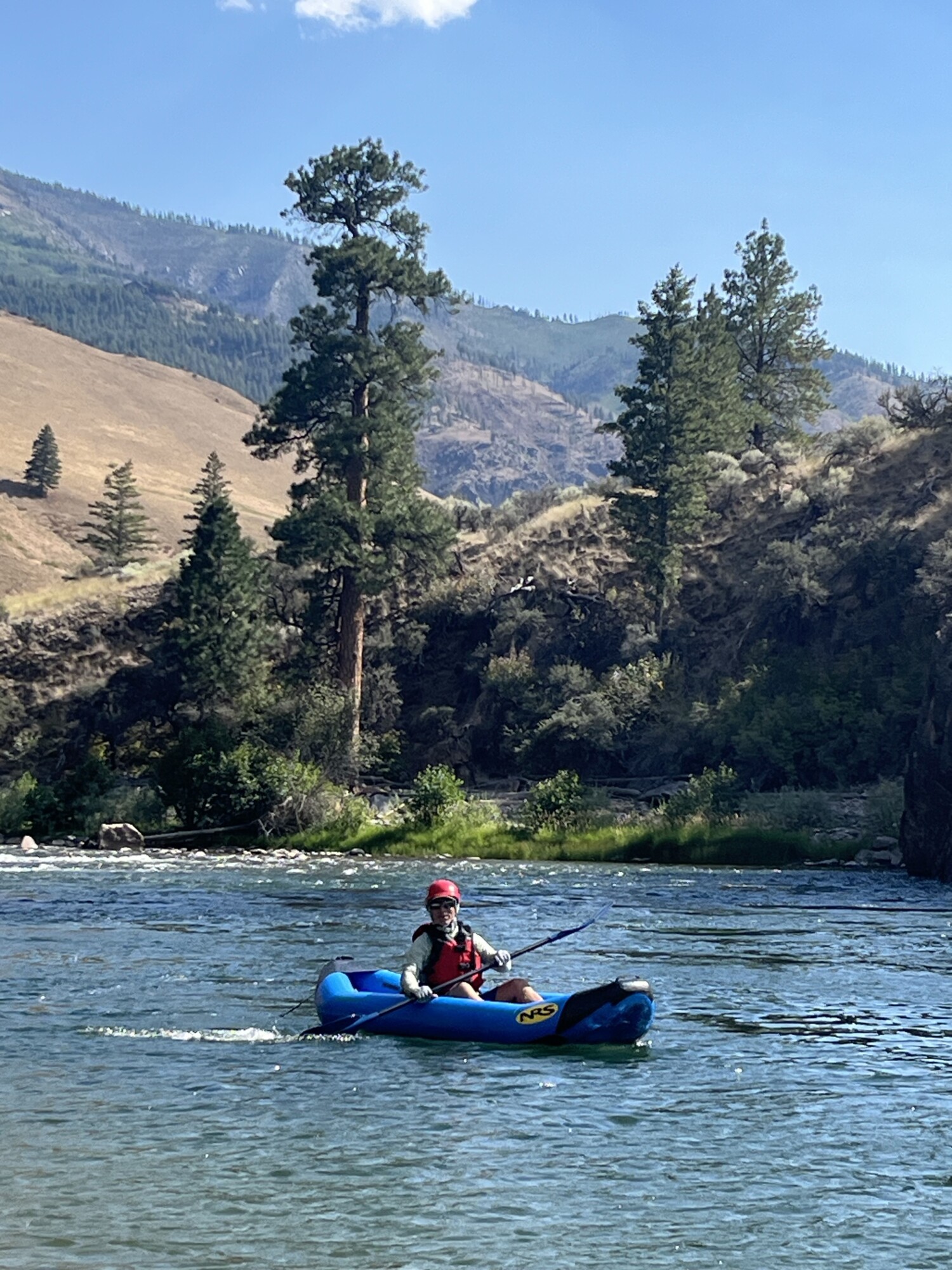
On a positive note, rafting the Middle Fork of the Salmon River in Idaho lived up to everything I hoped for and more. The best part was getting to experience it with my wife and seeing other rafters having so much fun! As the years go by, I find myself enjoying something I never thought about when I was younger: sitting back and watching people experience remote places for the first time, push themselves a bit, and come away with BIG smiles on their faces. I love seeing it happen live!
RSM: You’ve written for both Snowshoe Magazine and River Sports Magazine for years. AWhat places would you most like to return to or explore by paddle or snowshoe? What makes those places special?
JM: I’d love to get back to Ethiopia. It’s a magical place that completely captivated me and found a place in my heart. I was there twice for international development work and had little time for recreation/adventures. To go and experience its lakes and rivers would be great. Meet up with colleagues/friends, enjoy the food/unique cuisine, song/dance, all that, and not be working, would be wonderful.
The South Pacific, to better understand Polynesian culture, the sailing history, paddling there, to hear stories of how climate change impacts people’s lives, and then to share it with my students and readers would be a dream.
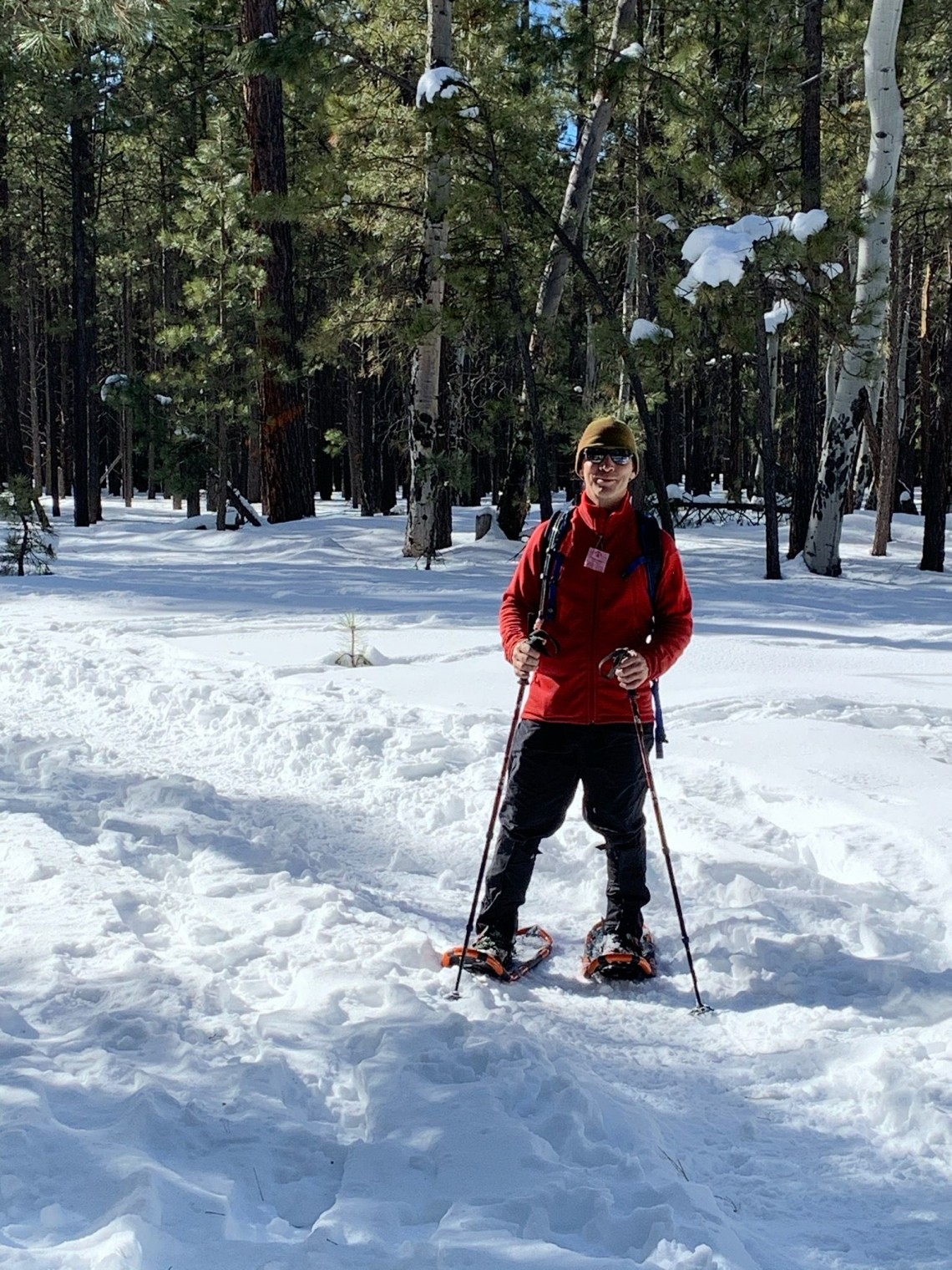
Snowshoeing – so much out there in the Eastern Sierra, the Rockies, including Canada, and I’d love to get to the Andes.
What makes a place special? Sure, the setting and the natural beauty, but it’s mostly about people.
RSM: Every adventurer has a favorite piece of gear. What’s one item you rarely leave home without, whether you’re heading out on the water or into a snowy landscape? What makes it indispensable?
JM: Lip balm! Gotta have it. No specific brand, as long as it’s not waxy.
Sun protection.
Okay, gear. I have an MSR WhisperLite International that I bought 30 years ago. Winter camping or next to a body of water, it never fails. I can use it anywhere in the world.
RSM: Readers know you through your adventures and writing, but what about James when he’s not exploring or putting pen to paper? What does your everyday life look like, and what’s something about you that might surprise our readers?
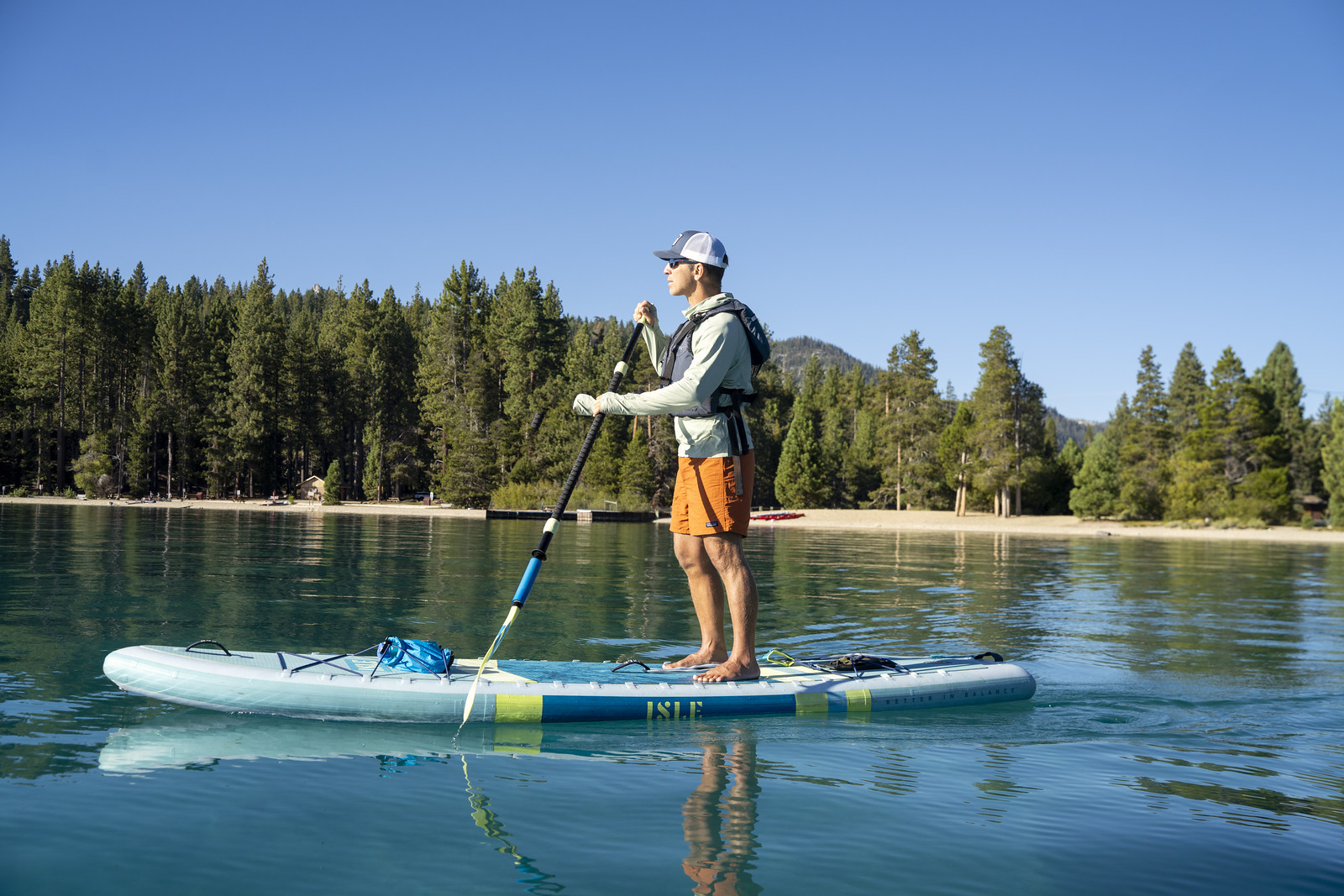
JM: Nearly every week, I spend one to five hours or more being active on four to six days. SUPing, bodysurfing, kayaking, mountain biking, hiking, laps at the pool, whatever.
During the work week, I teach university classes on environmental policy, sustainability, and food systems. Students give me energy and hope!
I love to read, both fiction and non-fiction. At any given time, I have two-three books I’m working through.
Surprise? I love potato chips! When I see new brands/flavors while traveling, I’ll almost always buy a bag (or two).
RSM: We’ve talked about the potential for River Sports Magazine and the stories still waiting to be told. As our new Field Editor-at-Large, what excites you most about helping shape this next chapter? Where would you like to take our readers next?
JM: Magazines inspired me to get out and go. Words and images have power. I feel tremendous responsibility when writing to be accurate, honest, and true in what I’m saying. I believe there is still a need, and maybe more so these days, for storytelling and not clickbait/listicles. That’s not journalism/writing, the way I see it. If people read what I write and it moves them to get outside, and then maybe advocate for public lands and waters protection, then I think we’ll all be better off.
Living in San Diego, the coast, bays and nearby Baja are places I’ll always go to. The American West has so much to offer, and I plan to share more outdoor adventures in the region. I grew up and lived back east for the first 30+ years of my life. Appalachia has ancient waters. And not to forget the Great Lakes region. I got to know some of the Lake Superior shoreline of Michigan, Wisconsin, and Minnesota while living in the Midwest and I often say it’s one of the most beautiful places I’ve been. While I’m at it, Boundary Waters is a place I’ve longed to paddle since learning about it in college. Basically, I’ll go pretty much anywhere!
I am super excited to be part of bringing River Sports Magazine back to readers and water-going enthusiasts. What I can guarantee is that none of my writing will use AI. It will always be me, a human being experiencing and sharing perspectives on water. I hope you’ll join us, follow along, subscribe to our newsletter, share thoughts and comments, and paddle with us. What most excites me, though? Getting to know people and places, as well as building community through waters and written words.
Sign up for the River Sports Magazine newsletter here: https://riversportsmag.com/e-newsletter/

Leave a Comment